






Myntra has become an important marketplace for fashion and lifestyle brands looking to expand their online presence and connect with a wider customer base. For sellers, the platform offers opportunities to showcase products, reach new customers, and build a stronger online business.
At the same time, running a successful Myntra seller account involves managing several areas efficiently. From account approval and cataloguing to inventory, order processing, returns, and marketplace performance, each part of the process can influence overall business growth. Understanding these common challenges and knowing how to address them can help sellers build smoother operations and get better results from the platform.

1. Account Approval Takes Time
One of the first challenges sellers face is getting their Myntra seller account approved. Documentation, brand information, product details, and marketplace requirements need to be properly submitted.
Solution:
Keep all required business and brand documents ready and ensure that the information submitted is accurate and consistent. Proper onboarding support can also help identify documentation or information gaps before submission.
2. Cataloguing and Product Listing
Fashion customers depend heavily on product images, descriptions, size information, and specifications before making a purchase. Incomplete or inaccurate product listings can affect customer confidence and product visibility.
Solution:
Create complete and accurate catalogues with high-quality product photography, clear descriptions, correct attributes, size charts, and relevant keywords. Consistent catalogue management can also reduce listing errors.
3. Inventory Management
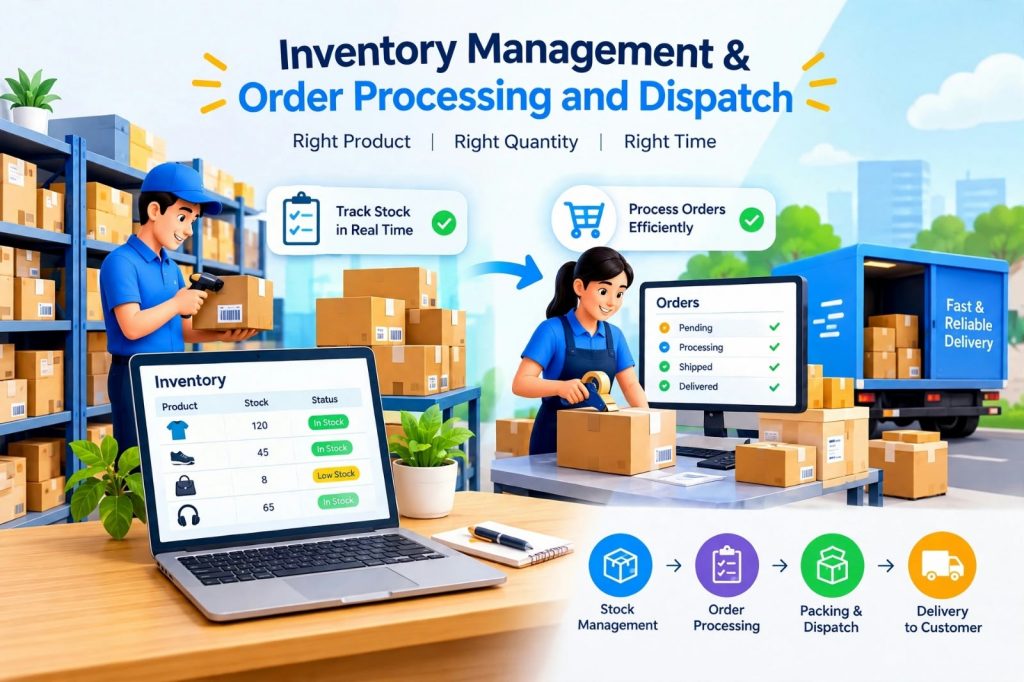
Stock availability is critical for Myntra sellers. Poor inventory management can result in cancelled orders, overselling, stockouts, and missed sales opportunities.
Solution:
Maintain accurate, regularly updated inventory across marketplaces and warehouses. Monitor fast-moving products and keep sufficient stock of popular sizes, colours, and styles.
4. Order Processing and Dispatch
Once orders start coming in, sellers need to process and dispatch them within the required timelines. Delays or incorrect order handling can affect customer experience and seller performance.
Solution:
Establish a systematic order-processing workflow. Track orders regularly, prepare products correctly, and ensure timely dispatch to minimise operational delays.

5. Returns and Exchanges
Returns and exchanges are common in fashion e-commerce because customers may face issues related to size, fit, colour, or product expectations. Managing frequent returns can increase operational costs and create inventory complications.
Solution:
Use accurate size charts, detailed product information, and quality product images to set the right customer expectations. Track return reasons to identify recurring product or catalogue issues.
6. Product Quality and Packaging
Customers expect products to arrive in the same condition as shown online. Poor packaging, damaged products, or quality inconsistencies can lead to returns and negative customer experiences.
Solution:
Implement quality checks before dispatch and use suitable packaging for every product category. Standardised quality-control and packing processes can reduce avoidable complaints.

7. Maintaining Marketplace Performance
Myntra sellers need to consistently manage operational performance. Issues such as cancellations, delayed dispatches, stock inaccuracies, and returns can affect overall business performance.
Solution:
Regularly monitor account and operational metrics. Identify recurring problems and fix their root causes instead of treating each issue separately.
8. Managing Promotions and Competition
The fashion marketplace is highly competitive. Sellers often compete with multiple brands offering similar products, prices, and styles. Promotions and discounts can also influence customer purchasing decisions.
Solution:
Use data to understand product performance, pricing, and customer demand. Instead of discounting every product, focus promotional efforts on products and periods where they can generate meaningful results.
9. Managing Multiple Marketplace Operations
Brands selling on Myntra often sell through other marketplaces and their own websites as well. Managing catalogues, inventory, orders, and product information across multiple channels can become difficult.
Solution:
Use centralised processes and proper inventory management systems wherever possible. A dedicated e-commerce team or service provider can also help coordinate marketplace operations efficiently.
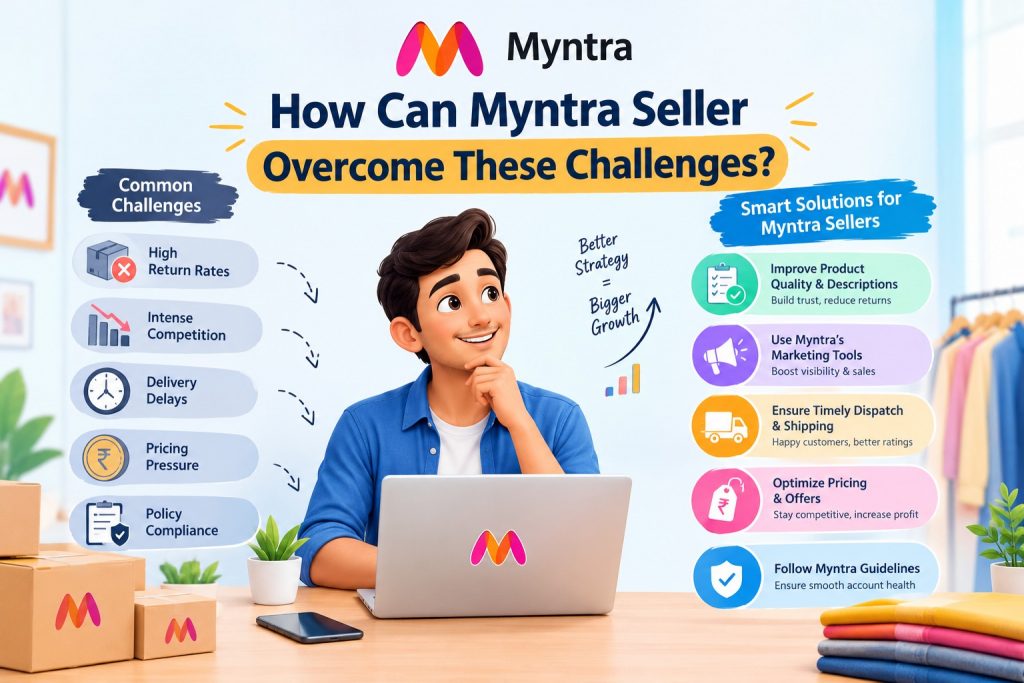
How Can Myntra Sellers Overcome These Challenges?
Success on Myntra requires more than simply uploading products. Sellers need a combination of accurate cataloguing, inventory management, order processing, account management, quality control, and continuous performance monitoring.
An experienced e-commerce service provider can help brands manage these processes, identify operational gaps, and maintain consistency across marketplace operations.

Conclusion
Myntra offers significant opportunities for fashion and lifestyle brands, but managing a successful seller account requires continuous attention to multiple operational areas. Account approval, cataloguing, inventory, order processing, returns, product quality, and marketplace performance are some of the biggest challenges sellers need to handle.
With the right strategy, structured processes, and professional e-commerce support, brands can reduce operational challenges and focus more effectively on building, growing, and scaling their online business.
E-Commercebharat helps brands manage their e-commerce operations with professional support across marketplace management, inventory management, cataloguing, and online growth.
Visit: www.ecommercebharat.co